 Panludia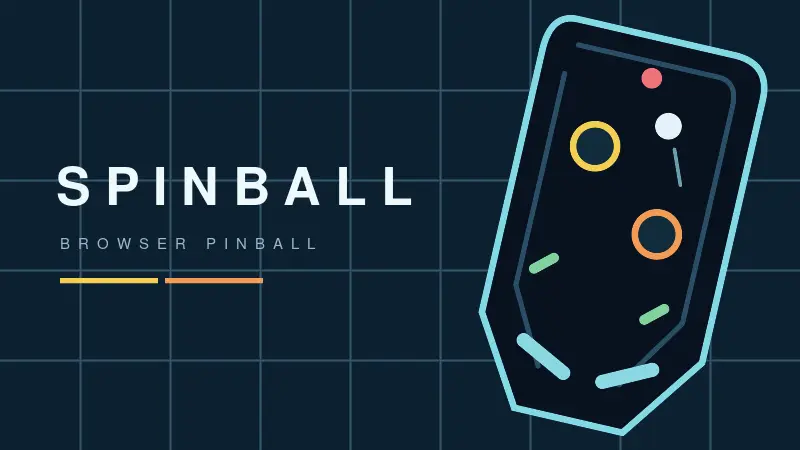
COMMUNITY INTEGRATION
SpinballArchipelago randomizer mod
Play a compact pinball table built for Archipelago. Collect two coloured keys, receive a gate unlock and boosters from the multiworld, and aim for the red goal.
Maintained by Spineraks
- Reviewed build
- 0.0.1
- OS
- Browser
- Last reviewed
- 23 Sept 2026
- Installation
- Manual installation
How the game changes
- Two coloured key sensors provide the checks: Yellow key and Orange key. The World logic places the orange check behind the Open gate item.
- Open gate removes a barrier on the table. Spawn boosts adds two green boosters that accelerate the ball vertically. Both upgrades are progression items.
- Use Left/A and Right/D to control the flippers. A drained ball respawns, and R resets it without consuming a limited stock of lives. Touch controls are also implemented.
- Reach the red sensor to finish the physical table. The browser sends the Archipelago goal status when the ball touches it.
- A Solo button runs the same table with local upgrades. The exposed numerical Not an option setting is unused in the reviewed World.
Before you start
- Install spinball.apworld, generate an Archipelago room and open the maintainer’s browser game. The release links the correct site; packaged setup documents still describe Yacht Dice.
- This review pairs APWorld 0.0.1 with a separately captured browser-client snapshot. The release tag does not contain the Spinball source directory, and the hosted client has no matching immutable version identifier.
- Connection recovery is limited: after disconnecting the interface asks for a refresh. Checks and victory notifications have no persistent offline queue in the reviewed client.
- Item delivery during initial table construction can occur before the gate or physics world is ready. An item may not be applied as intended; this follows from callback ordering rather than an observed play session.
- Restoring previously checked keys is incomplete, particularly for the orange key. Repeated logins and unusual item-packet ordering also have unguarded state paths.
- The client library can attempt unencrypted WebSocket transport after a secure connection fails; browser restrictions may block that attempt. It also writes browser/version diagnostics into the room’s data storage by default.
- No upstream game or tests were executed. Dependency versions were identified and compared, but own-code licensing notices and release-to-source traceability remain incomplete.